


How confident are participants in their retirement security? Does gender, age, or even the way they think about retirement influence that confidence? We recently surveyed retirement plan participants to better understand the factors shaping their outlook, and the results reveal some important opportunities for plan sponsors and financial professionals to offer resources and guidance.
Confidence and the Gender Gap
When asked how confident they felt about their retirement security, more than two-thirds of men (68%) reported being very or somewhat confident, compared to just half of women. Men were also nearly twice as likely to describe themselves as “very confident” about retirement.
While there are many potential reasons for this gap, including career interruptions, caregiving responsibilities, and longer life expectancies, the takeaway for employers and advisors is clear: education and personalized guidance can play an important role in building confidence. Providing participants with opportunities to meet with financial professionals, understand their retirement benefits, and create a plan may help bridge that confidence gap.
Healthcare Costs Remain a Major Concern
Not saving enough for retirement was the most frequently cited retirement-planning challenge in the survey responses. Healthcare costs and market uncertainty followed closely behind, demonstrating that retirement confidence is influenced by more than just account balances. Participants are also concerned about future expenses and factors beyond their control.
These concerns highlight the value of ongoing education around healthcare planning, Health Savings Accounts (HSAs), ICHRAs (Individual Coverage Health Reimbursement Arrangements), and other benefits that can help participants prepare for retirement-related expenses.
The Retirement Personas Effect
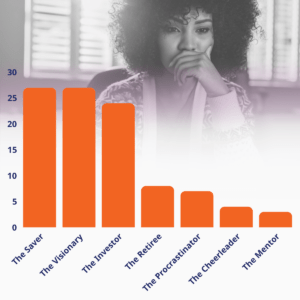
- The Saver: Building a strong financial foundation, one step at a time. 27%
- The Visionary: Dreaming big about the future but still figuring out the path to get there. 27%
- The Investor: Actively growing wealth and planning for the future with intention. 24%
- The Retiree: Enjoying the rewards of a lifetime of planning and saving. 8%
- The Procrastinator: Haven’t started planning my financial future yet. 7%
- The Cheerleader: Encouraging others on their journey while finding my own rhythm. 4%
- The Mentor: Guiding others by sharing lessons learned – both wins and setbacks. 3%
One of the most interesting findings emerged when participants identified the retirement-planning persona that best described them. Participants who viewed themselves as Savers, Investors, and Retirees reported the highest levels of confidence. Procrastinators reported the lowest confidence levels, which was perhaps unsurprising.
The most intriguing group, however, was the Visionaries. These participants had clear goals for retirement, often focused on spending time with loved ones, traveling, and enjoying life’s next chapter. Yet only one-third reported feeling confident about their retirement security.
In other words, Visionaries don’t appear to lack goals. They appear to lack confidence in the path to achieving them. Helping participants connect today’s retirement-planning actions to tomorrow’s aspirations may be one of the most effective ways to increase engagement. (make bold) Whether through retirement projections, personalized conversations, or simple action steps, showing participants a clear path forward can make retirement feel more attainable.
The Opportunity for Plan Sponsors and Advisors
The survey reinforces an important lesson: participants aren’t simply saving for retirement. They’re saving for more time with family, more freedom, greater peace of mind, and the experiences that matter most to them.
When retirement communications focus not only on account balances and contribution rates, but also on participants’ personal goals and motivations, confidence and engagement may follow. By helping participants understand both the “why” and the “how” of retirement planning, plan sponsors and financial professionals can play a meaningful role in helping participants feel more secure about their future.
Key Takeaway:
People aren’t just saving for retirement. They’re saving for more time with the people and activities they care about most. Helping participants see a clear path to those goals may be one of the most powerful ways to build retirement confidence.
The information provided in this blog post is for informational purposes only and should not be considered as financial, legal, or professional advice. Always consult with a qualified professional for specific advice tailored to your individual circumstances.
Read Next
BPAS Acquires ESOP One, Expanding Employee Ownership and ESOP Capabilities